

Visiting national parks is a dream for many people. These parks are full of natural beauty, fresh air, and amazing wildlife.
But to truly enjoy a national park, timing is very important. Visiting at the right time can make your trip more comfortable and memorable.
The weather, crowd levels, and wildlife activity all change during the year. Choosing the best time to visit depends on what you want to see and do.
This guide will help you plan the perfect visit to national parks, making your experience enjoyable and stress-free.
Spring: A Time of Renewal
Spring is a wonderful time to visit national parks. During this season, the weather starts to warm up after winter. Flowers bloom, trees turn green, and animals become more active. Many parks are less crowded in early spring, so you can enjoy nature without too many people around.
Hiking trails are usually easier to walk on in spring. Snow melts in higher areas, opening up more paths. Wildlife watchers also have a good chance to see baby animals. Birds migrate back, and you can hear their songs all day. Spring is perfect for people who love photography because of colorful landscapes and lively animals.
However, some parks at high elevations may still have snow or muddy trails in early spring. It is always a good idea to check weather updates before planning your trip.
Summer: Fun and Adventure
Summer is the most popular time to visit national parks. Schools are on break, and many families go on vacations. The weather is usually warm, and all park facilities are open. Roads, visitor centers, and guided tours operate fully in summer.
This season is great for activities like hiking, camping, and boating. Lakes and rivers are warm enough for swimming. Summer also brings long days, giving you more time to explore.
On the other hand, summer means more crowds. Popular parks can become busy, and parking may be hard to find. Prices for nearby hotels and campsites may rise. To avoid the busiest times, it is best to visit early in the morning or later in the afternoon. Some travelers also prefer weekdays to avoid weekend crowds.
Autumn: Beautiful Colors and Calm
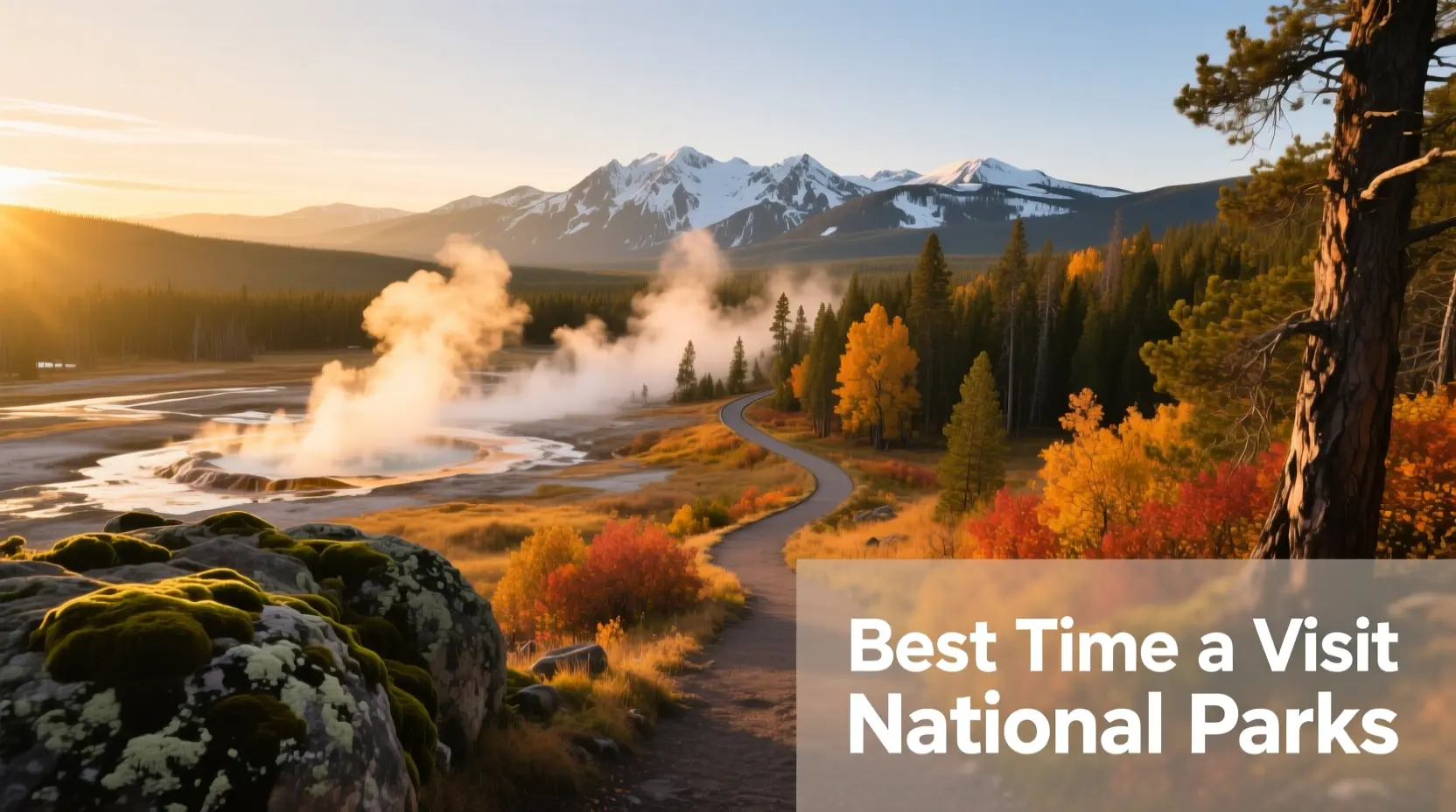
Autumn, or fall, is another excellent time for national park visits. During this season, the weather is usually mild, and the crowds begin to shrink after summer. One of the most beautiful features of autumn is the changing leaf colors. Trees turn yellow, orange, and red, creating amazing landscapes.
Autumn is ideal for photography, quiet hikes, and nature walks. Many animals are active as they prepare for winter, so wildlife sightings increase. This season is also good for cooler hiking and camping experiences.
However, some facilities may close after summer, and daylight hours start to get shorter. It is important to plan your activities with enough daylight. Early autumn is often the best time because it balances good weather, fewer crowds, and beautiful scenery.
Winter: Peace and Adventure
Winter is a unique time to explore national parks. Snow transforms landscapes into a magical world of white beauty. Some parks offer winter sports such as skiing, snowshoeing, and ice climbing. If you enjoy solitude and quiet, winter is perfect because few people visit during this season.
Wildlife watching can also be rewarding. Animals are often easier to spot in snow, and you may see tracks that tell interesting stories. Winter photography offers dramatic and stunning shots of snow-covered mountains, frozen lakes, and bare trees.
On the downside, winter can be cold and harsh. Some parks close certain roads and trails due to snow. You may need special equipment like snow boots, jackets, and chains for your car. It is important to check park conditions and safety guidelines before visiting in winter.
Choosing the Best Time for You
The best time to visit a national park depends on what you enjoy. If you love flowers and baby animals, spring is ideal. For full access to all park activities and long days, summer is perfect. Autumn brings beautiful colors and fewer crowds, while winter offers peace and snowy adventures.
It also depends on the park’s location. Parks in southern states may be hot in summer but mild in winter. Parks in northern states may be inaccessible in winter but beautiful in summer and autumn. Always check park websites for weather, events, and special conditions before planning your visit.
Planning your visit according to your interests, weather preferences, and crowd tolerance will help you have the best experience. Booking accommodations and tickets in advance during popular seasons is also important.
Conclusion
Visiting national parks is a wonderful way to connect with nature, enjoy fresh air, and relax. The timing of your visit can make a big difference in your experience.
Spring offers blooming flowers and active wildlife, summer provides long days and full access to park activities, autumn shows colorful landscapes and fewer crowds, and winter brings peace and snowy adventures.
By choosing the best time for your needs, you can create unforgettable memories in the beauty of national parks. Planning ahead, checking weather conditions, and understanding seasonal differences will ensure a safe and enjoyable trip for everyone.