


A flat tire can happen anytime, anywhere—and it’s stressful if you don’t know what to do. The good news is, changing a tire isn’t complicated. With the right tools, safety precautions, and step-by-step guidance, anyone can replace a flat tire efficiently.
Whether you’re a new driver, a student, or someone who wants to be prepared for emergencies, this guide will walk you through the process of changing a tire safely and quickly, including practical tips, common mistakes to avoid, and FAQs.
Why You Should Know How to Change a Tire
Knowing how to change a tire is more than just a handy skill—it’s a safety essential:
- Emergency Preparedness: Flat tires can happen anywhere. Being able to replace one keeps you safe and saves time.
- Cost-Effective: Avoid towing or roadside assistance fees.
- Confidence: Learning basic car maintenance reduces panic and increases self-reliance.
Tip: Even if you have roadside assistance, practicing a tire change in a safe environment helps you act quickly during real emergencies.
Essential Tools You’ll Need
Before starting, make sure your car has the proper tools:
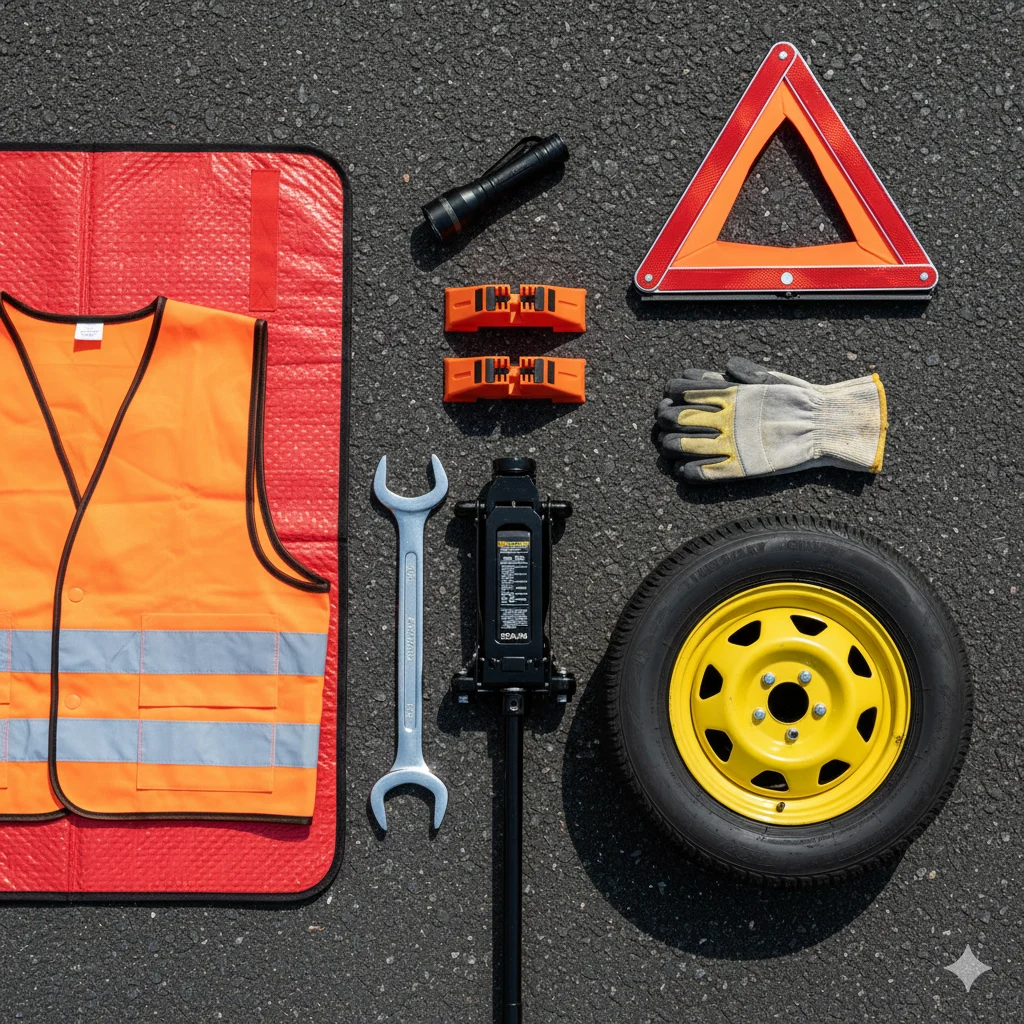
- Spare Tire: Ensure it’s properly inflated and matches your vehicle’s specifications.
- Jack: Scissor or hydraulic, rated for your car’s weight.
- Lug Wrench: Typically included with the car; used to loosen and tighten lug nuts.
- Wheel Wedges: Prevents the car from rolling.
- Gloves & Flashlight: Protect hands and improve visibility, especially at night.
- Reflective Vest & Warning Triangle: Essential for roadside safety.
Pro Tip: Keep all tools in your trunk for emergencies. Check your spare tire monthly.
Step 1: Ensure Safety Before You Start
Safety comes first:
- Move to a Safe Spot: Flat, stable ground away from traffic.
- Engage Parking Brake: Prevents movement.
- Use Wheel Wedges: Place them behind or in front of tires opposite the flat.
- Turn on Hazard Lights: Alert passing drivers.
Warning: Never attempt a tire change on a slope, soft ground, or in traffic without proper precautions.
Step 2: Loosen the Lug Nuts
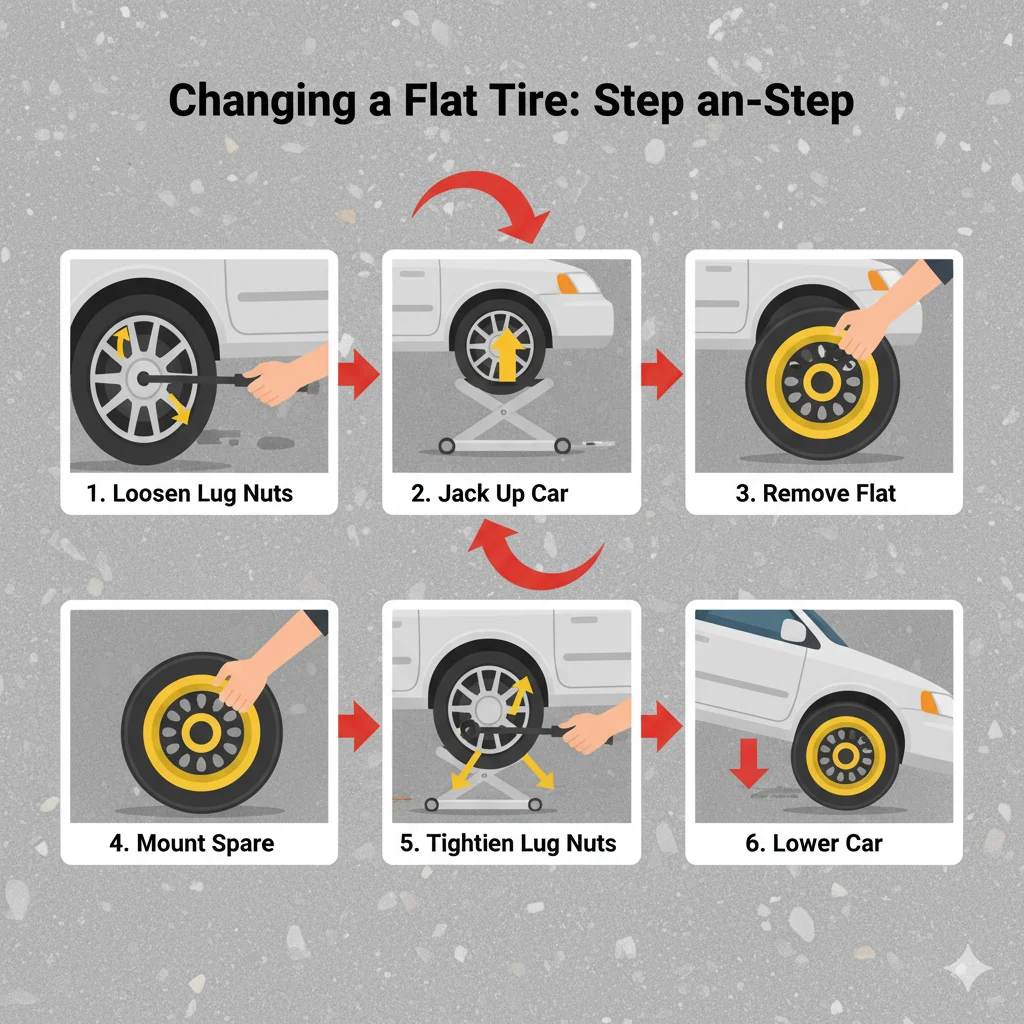
- Use the lug wrench to loosen lug nuts before lifting the car.
- Turn counterclockwise to break resistance.
- Loosen them slightly; don’t remove completely yet.
Tip: If the nuts are too tight, carefully use your foot or extend the wrench for extra leverage.
Step 3: Lift the Vehicle with the Jack
- Locate the jack point (check your vehicle manual).
- Position the jack securely under the frame.
- Lift until the flat tire is off the ground.
Pro Tip: Lift only as high as necessary and ensure stability. Never get under the vehicle while it’s on a jack.
Step 4: Remove the Flat Tire
- Finish unscrewing the lug nuts and keep them in a safe place.
- Carefully pull the flat tire straight off the wheel hub.
- Place the flat tire aside.
Warning: Tires are heavy—lift with your legs, not your back.
Step 5: Mount the Spare Tire
- Align the spare tire with the wheel bolts.
- Push it onto the hub gently.
- Hand-tighten lug nuts as much as possible.
Pro Tip: Tighten nuts in a crisscross pattern to ensure even pressure.
Step 6: Lower the Vehicle and Fully Tighten Lug Nuts
- Carefully lower the car until the spare tire touches the ground.
- Remove the jack.
- Tighten the lug nuts fully in a crisscross pattern to secure the tire.
Tip: Recheck lug nuts after driving a short distance.
Step 7: Check Tire Pressure
- Use a tire gauge to confirm proper pressure in the spare tire.
- Adjust if necessary.
Pro Tip: Temporary spare tires (“donuts”) have speed and distance limits. Replace with a full-size tire as soon as possible.
Safety Tips and Common Mistakes
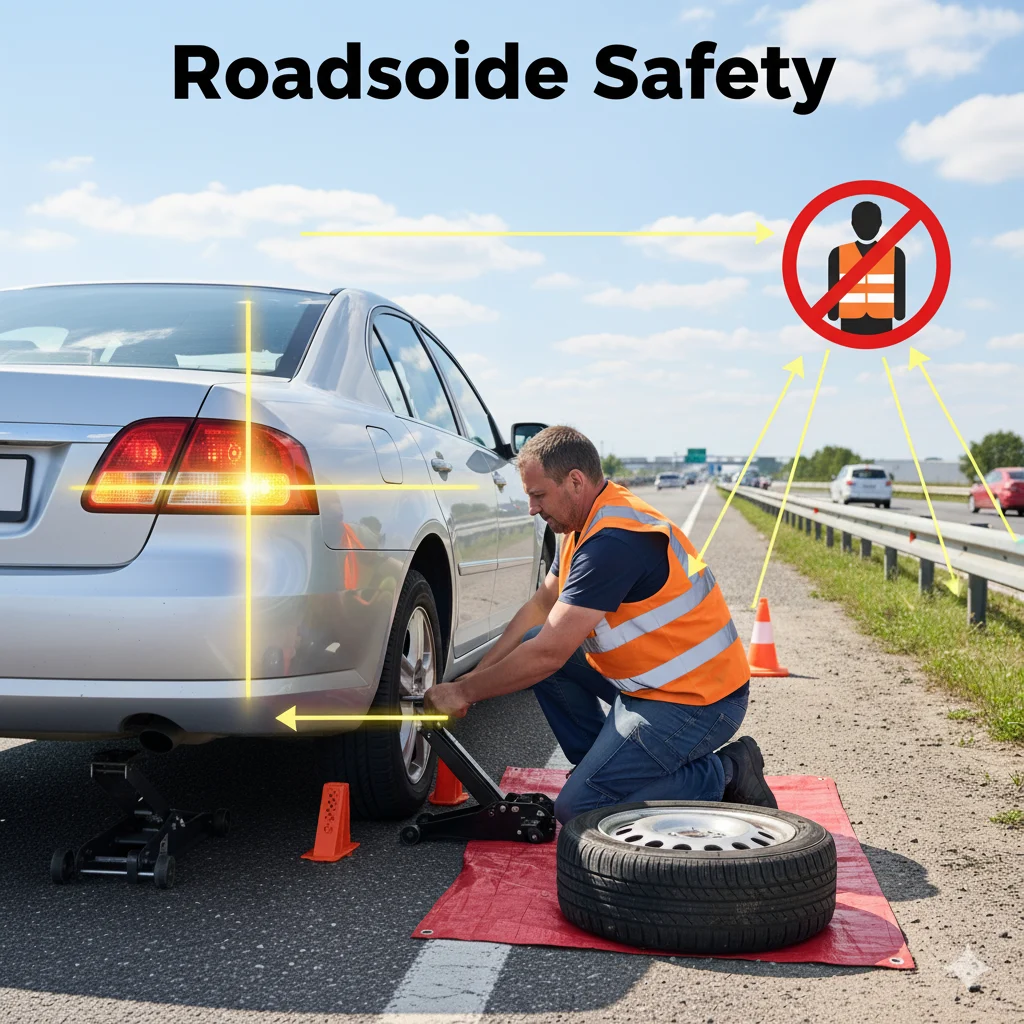
- Never work in traffic—always move to a safe area.
- Do not over-tighten lug nuts; follow crisscross pattern.
- Use correct jack points; incorrect placement can damage the vehicle.
- Replace temporary spares promptly.
Tip Box: Keep a checklist in your car with tools, tire info, and safety reminders.
Frequently Asked Questions (FAQs)
Q1: How long does it take to change a tire?
A: Beginners: 15–30 minutes. With practice: 10–15 minutes.
Q2: Can I use any spare tire?
A: No. Always use the one recommended for your car. Temporary spares have speed and distance limits.
Q3: What if the lug nuts are too tight?
A: Use leverage carefully. Avoid unsafe methods.
Q4: Is it safe to change a tire at night?
A: Yes, with hazard lights, reflective vest, flashlight, and safe location.
Q5: Do I need to jack up all four tires?
A: No. Only lift the corner with the flat tire.
Conclusion
Knowing how to change a tire is a vital skill. With proper tools, safety steps, and step-by-step knowledge, you can replace a flat tire safely and confidently.
CTA: Keep this guide handy, practice in a safe area, and always prioritize safety. The next time a flat strikes, you’ll be ready!