
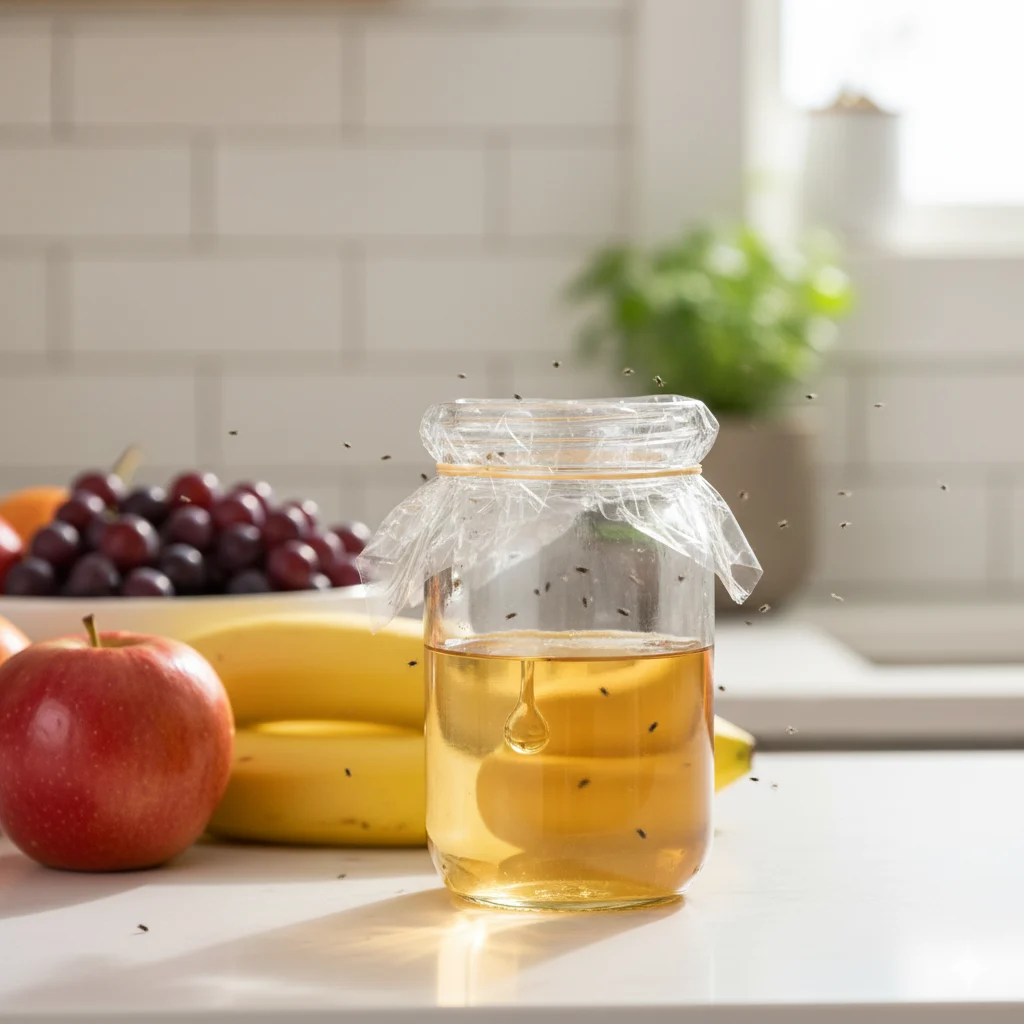

Fruit flies are tiny but incredibly persistent pests. They swarm around fruits, vegetables, trash, and drains, making kitchens a frustrating place for homeowners. Knowing how to get rid of fruit flies effectively not only keeps your kitchen clean but also prevents contamination and potential health risks.
This comprehensive guide will show you everything you need to know—from identifying fruit fly breeding grounds to natural remedies, traps, and prevention strategies—so you can maintain a pest-free home.
Why Fruit Flies Are a Problem
Fruit flies may seem harmless, but they are more than just a nuisance:
- Food contamination: They carry bacteria and can contaminate fresh produce.
- Rapid reproduction: A small number can multiply into hundreds in just days.
- Annoying presence: Swarms around counters, trash bins, and drains can be stressful.
- Health concerns: While they don’t bite, fruit flies can spread germs to your food.
Understanding their habits is the first step to eliminating them effectively.
Common Fruit Fly Breeding Grounds
Fruit flies thrive in places where organic matter is available. Common breeding grounds include:
| Breeding Area | Why It Attracts Fruit Flies |
|---|---|
| Overripe fruits & vegetables | High sugar content attracts flies |
| Drains & garbage disposals | Food residue and moisture create breeding spots |
| Compost bins & trash cans | Decomposing food is ideal for laying eggs |
| Recycling bins | Sticky residue on bottles & cans |
| Countertops & sinks | Food crumbs or spills can breed flies |
Eliminating these hotspots is crucial to prevent recurring infestations.
Step 1: Clean and Eliminate Food Sources
The easiest way to get rid of fruit flies is to remove what attracts them:
- Dispose of overripe fruits and vegetables immediately.
- Store fresh produce in airtight containers or the refrigerator.
- Empty trash cans and compost bins regularly to prevent breeding.
- Clean sinks, drains, and garbage disposals with hot water or vinegar solutions.
Pro Tip: Even small crumbs can attract fruit flies. Maintain kitchen cleanliness daily.
Step 2: Make a DIY Fruit Fly Trap
Creating a simple fruit fly trap is inexpensive and effective.
Materials Needed:
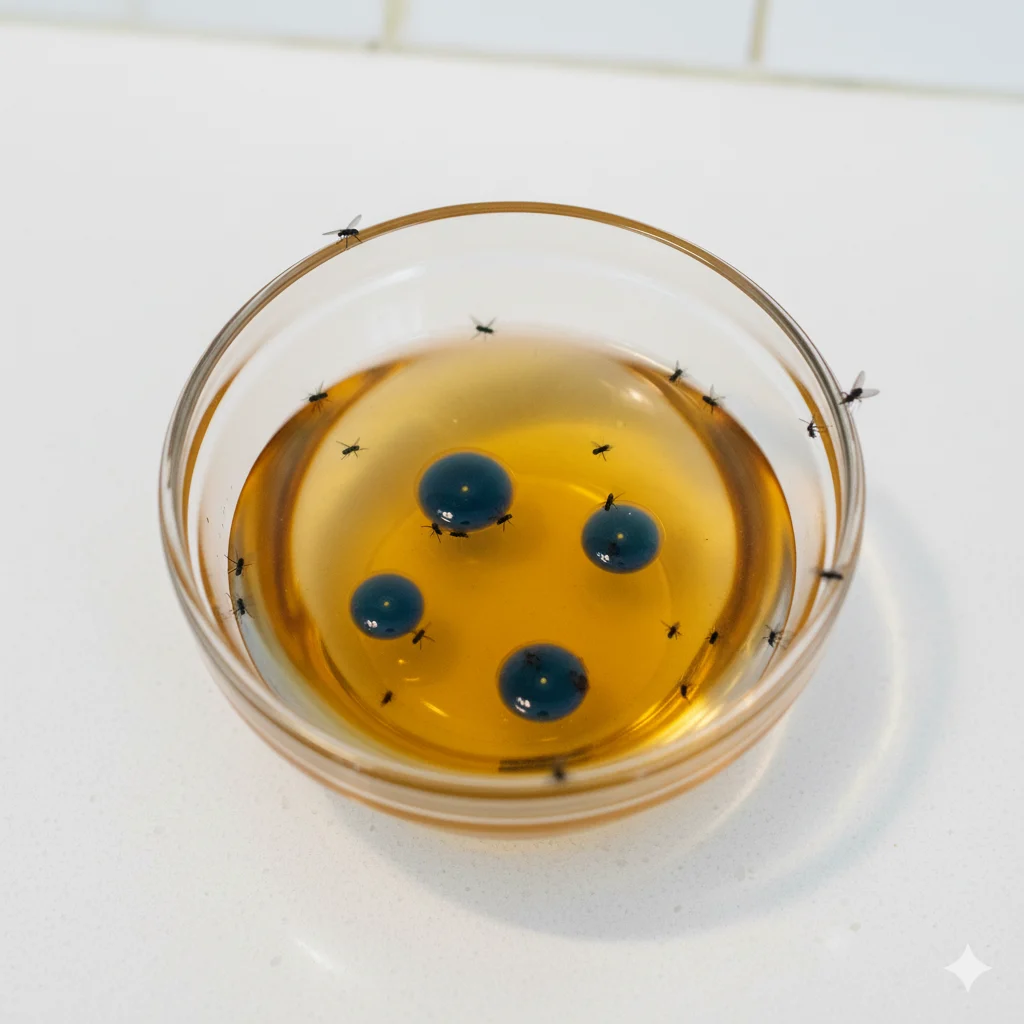
- Small bowl or jar
- Apple cider vinegar
- Dish soap
- Plastic wrap (optional)
Steps:
- Pour about 1/4 cup of apple cider vinegar into the bowl.
- Add 2–3 drops of dish soap to break the surface tension.
- Cover with plastic wrap and poke small holes (optional).
- Place the trap near areas with high fruit fly activity.
| Trap Type | How It Works | Frequency |
|---|---|---|
| Apple cider vinegar | Attracts flies, soap traps them in the liquid | Replace every 2–3 days |
| Red wine | Flies drawn to fermenting smell | Replace weekly |
| Lemon + cloves | Natural repellent, less lethal but effective | Rotate daily |
Pro Tip: Check and refresh traps regularly to maintain effectiveness.
Step 3: Use Natural Remedies
Eco-friendly solutions are safe and effective for homes with kids or pets:

- Red wine trap: Flies are attracted to the fermenting aroma.
- Lemon with cloves: Place lemon halves with cloves in infested areas.
- Fresh herbs: Basil, mint, or rosemary repel fruit flies naturally.
- Essential oils: Peppermint, eucalyptus, or lemongrass sprayed near counters or trash bins can deter fruit flies.
Tip: Rotate remedies to prevent flies from adapting to one scent.
Step 4: Prevent Fruit Flies From Returning
Prevention is the key to long-term success:
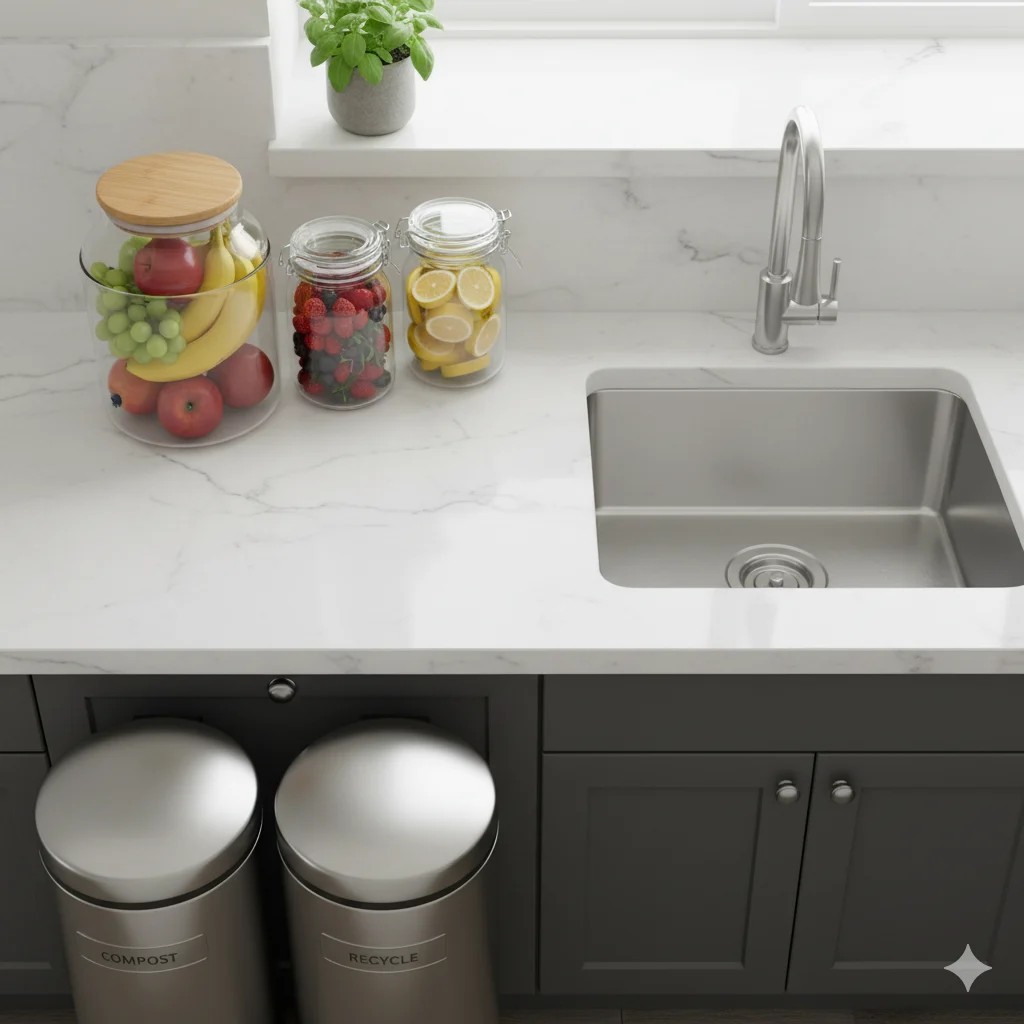
- Refrigerate or seal fruits and vegetables.
- Clean spills immediately on counters or floors.
- Rinse recyclables before storing.
- Maintain a daily kitchen cleaning routine.
- Cover fruit bowls to block fly access.
Pro Tip: Even one neglected source can restart an infestation, so consistency is crucial.
Step 5: Advanced Solutions for Persistent Infestations
For more stubborn fruit fly problems:
- Deep drain cleaning: Use baking soda and vinegar to remove residue.
- Commercial traps: Sticky or professional fruit fly traps for serious infestations.
- Full kitchen cleaning: Move appliances to clean hidden areas.
- Professional pest control: Experts can identify and treat severe infestations effectively.
Common Mistakes When Eliminating Fruit Flies
- Ignoring drains and trash bins: Main overlooked breeding grounds.
- Leaving uncovered produce: Immediate access for fruit flies.
- Relying solely on traps: Traps are most effective when combined with thorough cleaning.
- Expecting instant results: Eggs hatch quickly; patience and consistency are necessary.
FAQs About Fruit Flies
Q1: How long does it take to eliminate fruit flies?
A: Noticeable reduction occurs in 2–3 days, but full elimination may take 1–2 weeks.
Q2: Are fruit flies dangerous?
A: They don’t bite, but can spread bacteria from unsanitary surfaces to food.
Q3: Can I prevent fruit flies without traps?
A: Yes, strict kitchen hygiene and proper food storage are highly effective.
Q4: Which home remedies work best?
A: Apple cider vinegar traps, red wine traps, lemon-clove combinations, and fresh herbs are all effective.
Q5: Why do fruit flies keep coming back?
A: Hidden food sources, unclean drains, or leftover organic matter allow new flies to appear.
Tips for Maximum Efficiency
- Organize storage: Use clear bins and keep produce sealed.
- Use delayed capture: Great for capturing hidden flies in cupboards or under counters.
- Immediate annotation: When using traps, check daily for progress.
- Combine methods: DIY traps, natural repellents, and proper cleaning for best results.
Conclusion
Getting rid of fruit flies requires a combination of cleaning, trapping, natural remedies, and preventive practices. By following these steps, you can maintain a fruit fly-free kitchen that is hygienic, safe, and enjoyable.
Action Step: Start today by identifying breeding areas in your kitchen, setting up a DIY trap, and maintaining daily cleaning habits. A clean kitchen is the first line of defense against these tiny pests!