
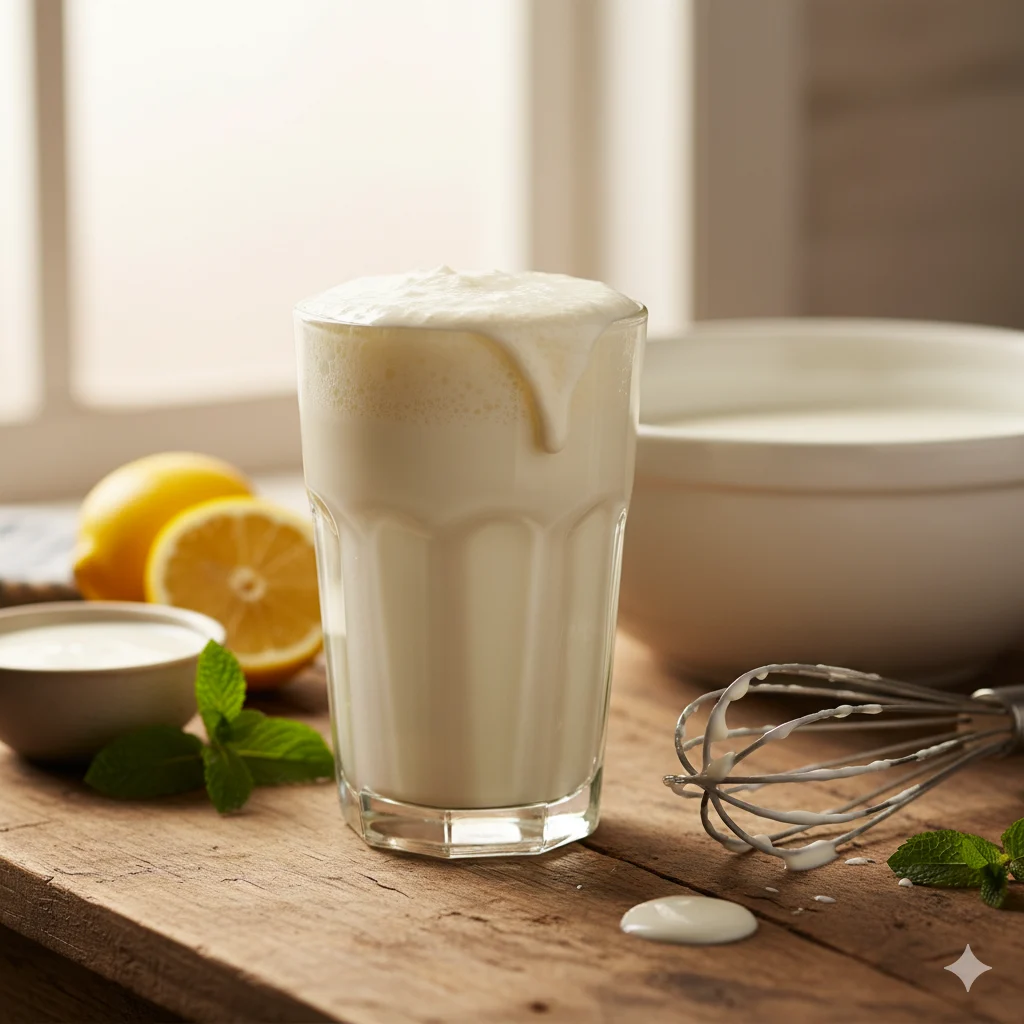

Buttermilk is a versatile ingredient that adds a tangy flavor and creamy texture to countless recipes. From baking fluffy pancakes and tender biscuits to marinating meats or making refreshing beverages, buttermilk is a kitchen essential. While store-bought versions are convenient, learning how to make buttermilk at home — whether using traditional methods or quick homemade substitutes — ensures freshness, flavor, and complete control over ingredients.
This guide provides a detailed exploration of both traditional fermented buttermilk and easy homemade substitutes, offering step-by-step instructions, tips for achieving perfect consistency, and expert advice on using buttermilk in cooking, baking, and beverages. By the end of this article, you’ll confidently make buttermilk at home anytime.
Why Homemade Buttermilk Is Worth Making
Understanding the advantages of homemade buttermilk highlights why it’s worth the effort:
- Freshness and Flavor: Freshly prepared buttermilk has a brighter, tangier taste than most store-bought versions. You can adjust the acidity and richness for any recipe.
- Full Control of Ingredients: Avoid preservatives, stabilizers, and added sugars present in commercial buttermilk.
- Cost-Effective: Just milk, cream, or yogurt are needed — far less expensive than buying cartons repeatedly.
- Versatility in Recipes: Perfect for baking, cooking, salad dressings, smoothies, or traditional drinks.
- Connection to Tradition: Traditional fermented buttermilk adds authentic flavors and probiotic benefits often missing in processed varieties.
With these benefits in mind, let’s dive into the traditional and modern methods of making buttermilk.
Traditional Buttermilk: What It Is and How It’s Made
Historically, buttermilk was the liquid left after churning cream into butter. It’s naturally fermented, slightly tangy, and rich in probiotics. Making traditional buttermilk at home connects you to centuries-old culinary practices while enhancing your recipes.
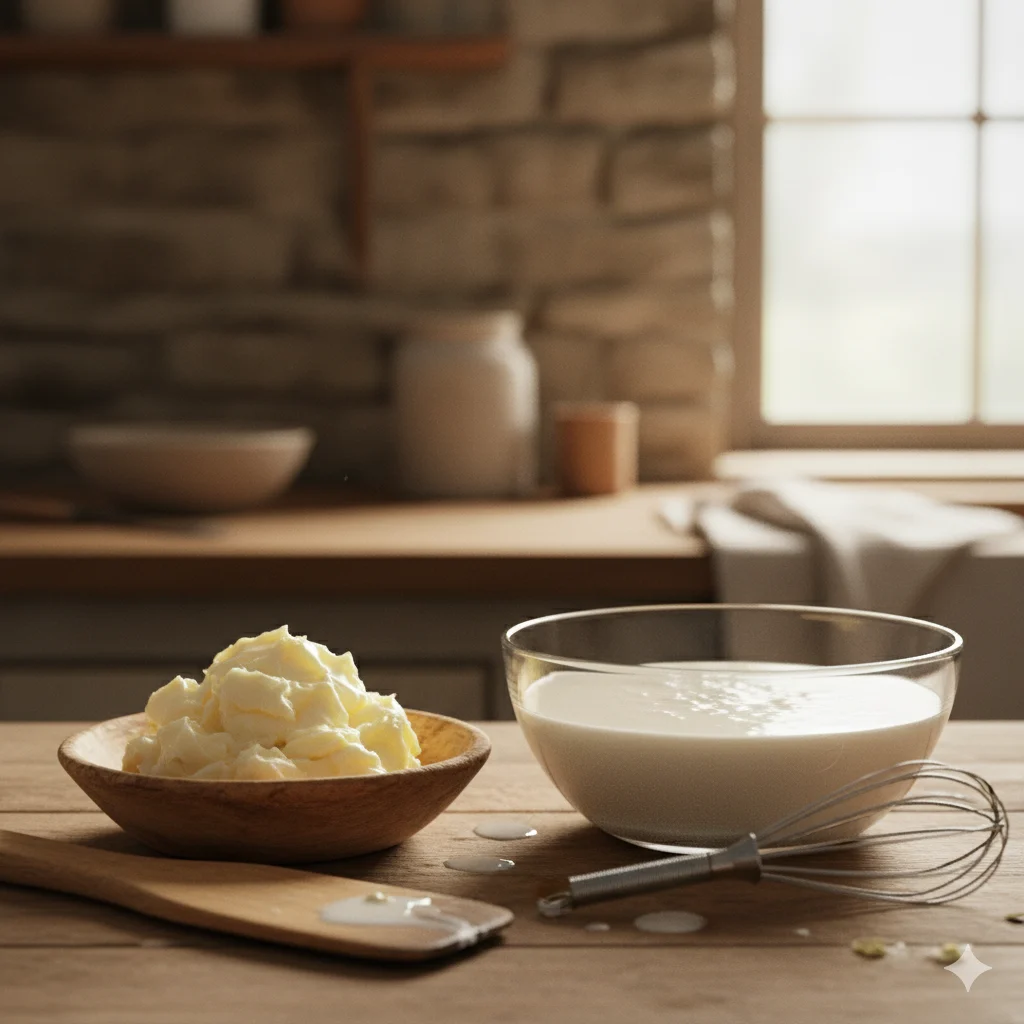
Ingredients and Equipment
- Heavy cream or whole milk cream
- Churning tool, hand mixer, or stand mixer
- Bowl for collecting liquid
Step-by-Step Instructions
- Churn the Cream: Pour the cream into a churn or mixer. Beat until butter separates from the liquid.
- Separate the Butter: Remove the solid butter carefully.
- Collect the Buttermilk: Strain any remaining solids to achieve smooth liquid buttermilk.
- Store Properly: Refrigerate in a sealed container for up to one week.
Tips for Success:
- Shake or stir the liquid before using, as natural separation occurs.
- Traditional buttermilk has a stronger tang than commercial versions, adding depth to pancakes, cakes, and marinades.
Quick Homemade Buttermilk Substitutes
If you don’t have time for traditional methods, several quick substitutes can mimic buttermilk’s acidity and texture. These are perfect for baking or cooking.
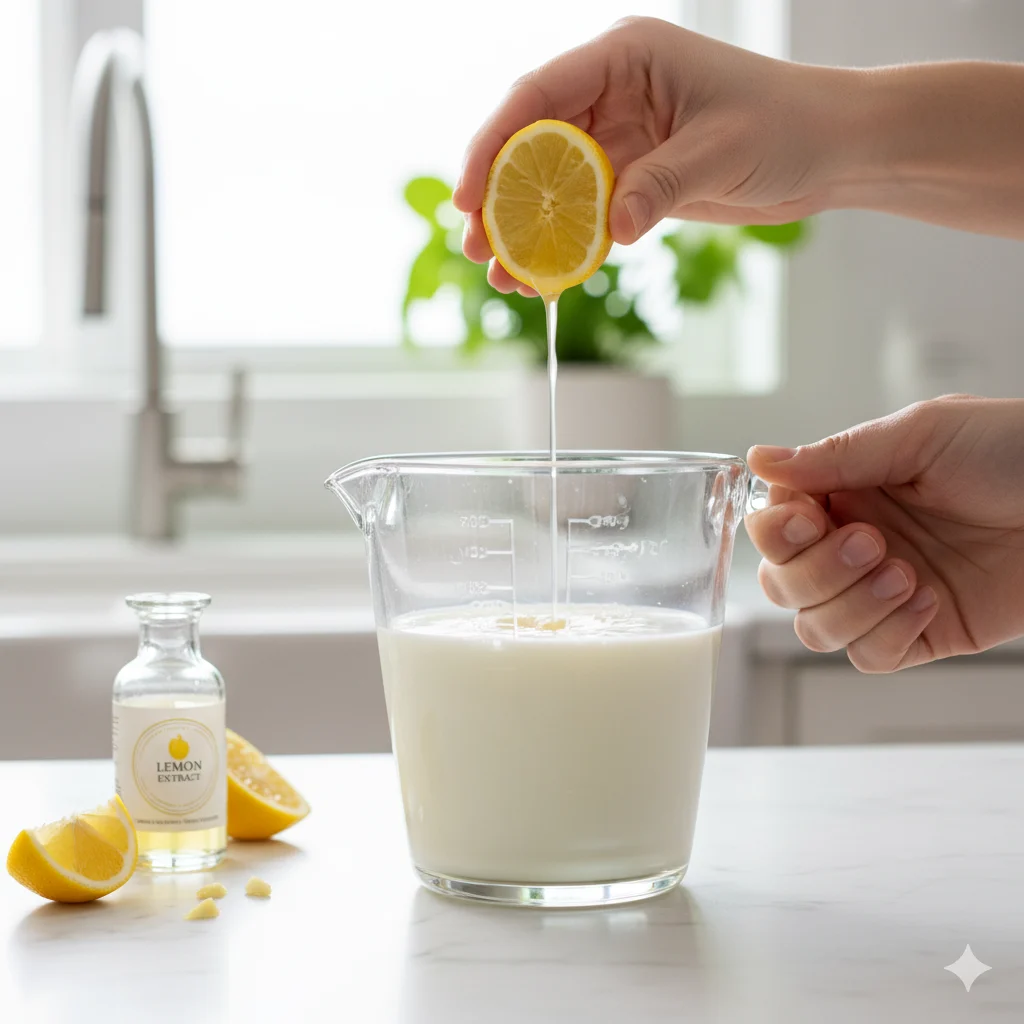
1. Milk + Lemon Juice or Vinegar
This is the most widely used substitute in baking.
Ingredients:
- 1 cup milk (whole or 2%)
- 1 tablespoon lemon juice or white vinegar
Instructions:
- Pour milk into a bowl or measuring cup.
- Stir in lemon juice or vinegar.
- Let it sit 5–10 minutes at room temperature until the milk curdles slightly.
- Stir gently before using.
Tip: Use immediately for muffins, pancakes, or cakes.
2. Yogurt + Milk
Yogurt adds creaminess and tang for recipes needing thicker consistency.
Ingredients:
- 3/4 cup plain yogurt
- 1/4 cup milk
Instructions:
- Mix yogurt and milk until smooth.
- Replace 1 cup of buttermilk with this mixture.
Tip: Adjust milk for thinner or thicker consistency based on recipe needs.
3. Sour Cream + Water
Sour cream gives richness and a slight tang.
Ingredients:
- 1/2 cup sour cream
- 1/2 cup water
Instructions:
- Whisk together until smooth.
- Substitute 1 cup of buttermilk in recipes.
Tip: Works best for baked goods or marinades.
4. Kefir
Kefir is naturally fermented, rich in probiotics, and tangy.
Instructions:
- Use plain kefir as a 1:1 replacement for buttermilk.
- Adjust thickness with milk if needed.
Tip: Perfect for salad dressings, pancakes, or drinks.
Choosing the Right Buttermilk for Your Recipe
Different recipes require different types of buttermilk:
- Baking (cakes, muffins, pancakes): Milk + lemon juice or yogurt methods work well.
- Marinades and dressings: Traditional buttermilk or kefir gives the best tang and tenderness.
- Traditional breads or ethnic dishes: Authentic fermented buttermilk delivers the classic flavor profile.
Understanding which type to use ensures consistent texture and flavor in every dish.
Tips for Storing Buttermilk
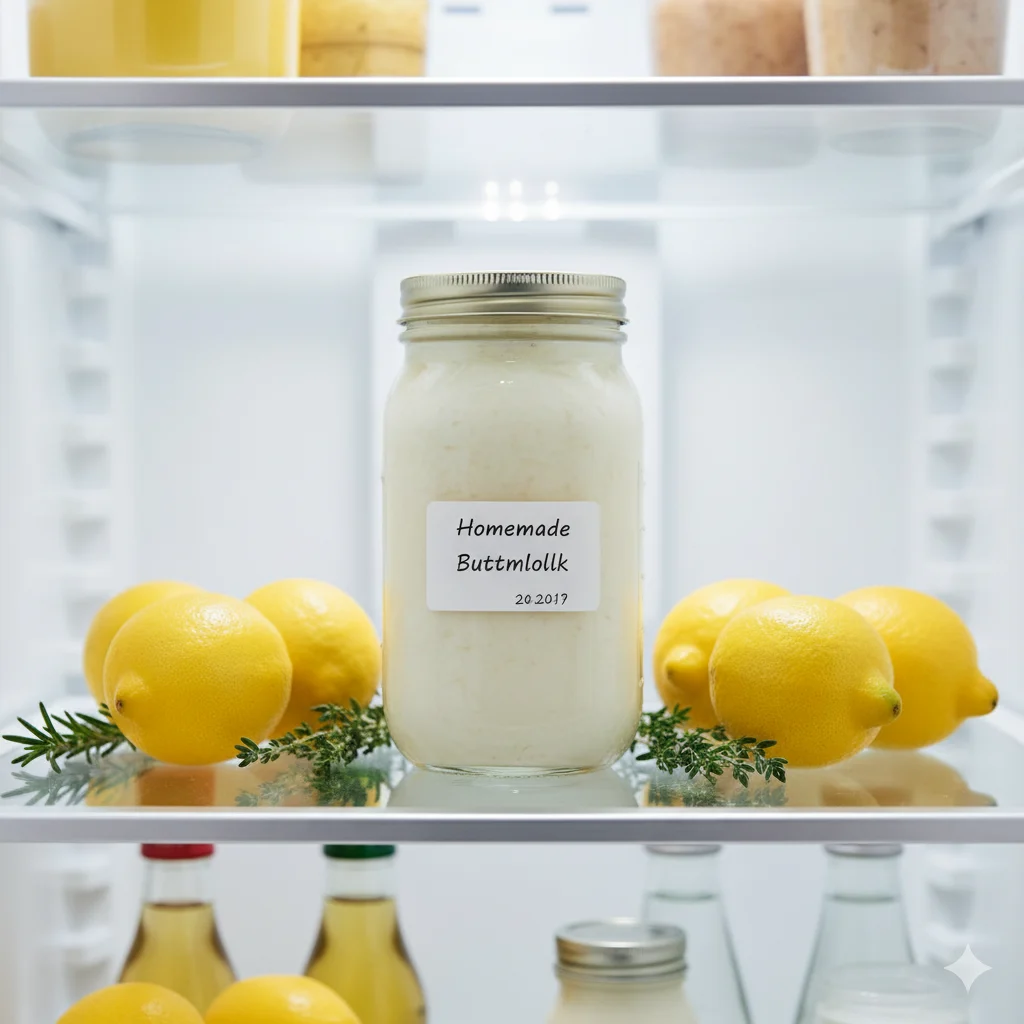
- Refrigeration: Keep in a sealed container at 35–40°F (2–4°C).
- Shelf Life: Homemade substitutes usually last 5–7 days; traditional fermented buttermilk can last slightly longer.
- Shake Before Use: Natural separation occurs — stir gently.
Pro Tip: Freeze extra buttermilk in small portions. Thaw in the refrigerator and stir before use.
Common Mistakes When Making Buttermilk
- Using Low-Fat Milk: Skim milk may not curdle properly with acid. Whole milk works best.
- Skipping Rest Time: Milk + acid needs 5–10 minutes to curdle; skipping can affect texture.
- Over-Thinning Substitutes: Adding too much water alters consistency and affects baking.
- Ignoring Freshness: Using expired milk or yogurt can ruin flavor and safety.
Fun Ways to Use Buttermilk
- Baking: Pancakes, biscuits, muffins, and cakes.
- Cooking: Marinades for chicken, pork, or tofu.
- Beverages: Buttermilk smoothies, spiced drinks, or lassi.
- Dressings & Sauces: Creamy dips or tangy salad dressings.
Buttermilk’s versatility makes it an essential ingredient in any kitchen.
Health Benefits of Buttermilk
- Digestive Health: Fermented buttermilk is rich in probiotics, supporting gut health.
- Nutrient-Rich: High in calcium, protein, and vitamins B12 and D.
- Low in Fat: Traditional buttermilk is lower in fat than cream or whole milk.
- Hydration: Contains water, electrolytes, and minerals, ideal for warm climates.
FAQs About Making Buttermilk
Q: Can I make buttermilk without lemon or vinegar?
A: Yes — yogurt, kefir, or sour cream can substitute effectively.
Q: How long does homemade buttermilk last?
A: Refrigerated for up to 7 days; freeze portions for longer storage.
Q: Is traditional buttermilk healthier than store-bought?
A: Traditional buttermilk contains natural probiotics and fewer additives.
Q: Can non-dairy milk be used?
A: Yes — almond, soy, or oat milk mixed with lemon juice or vinegar works in baking.
Final Thoughts
Learning how to make buttermilk — whether through traditional fermentation or quick homemade substitutes — adds freshness, flavor, and health benefits to your meals. From pancakes and muffins to marinades and refreshing beverages, homemade buttermilk is easy to make and highly versatile.
By following these methods and tips, you can enjoy tangy, creamy buttermilk in your kitchen anytime. Experiment, enjoy, and discover how this simple ingredient can transform your cooking and baking.
Start today, and watch how this humble liquid elevates your favorite dishes.