


Greeting someone is one of the first things you learn in any language, and Spanish is no exception. Knowing how to say hi in Spanish helps you start conversations confidently, make a great first impression, and connect with Spanish speakers wherever you go.
In this step-by-step guide, you’ll learn not just the basic word for “hi,” but also when and how to use it in real-life situations. We’ll cover formal and casual greetings, cultural etiquette, and pronunciation tips to help you sound natural — whether you’re traveling, meeting new friends, or practicing your Spanish skills.
Let’s get started and explore the most effective ways to greet someone in Spanish!
Step 1: Start with the Basic Greeting — “Hola”
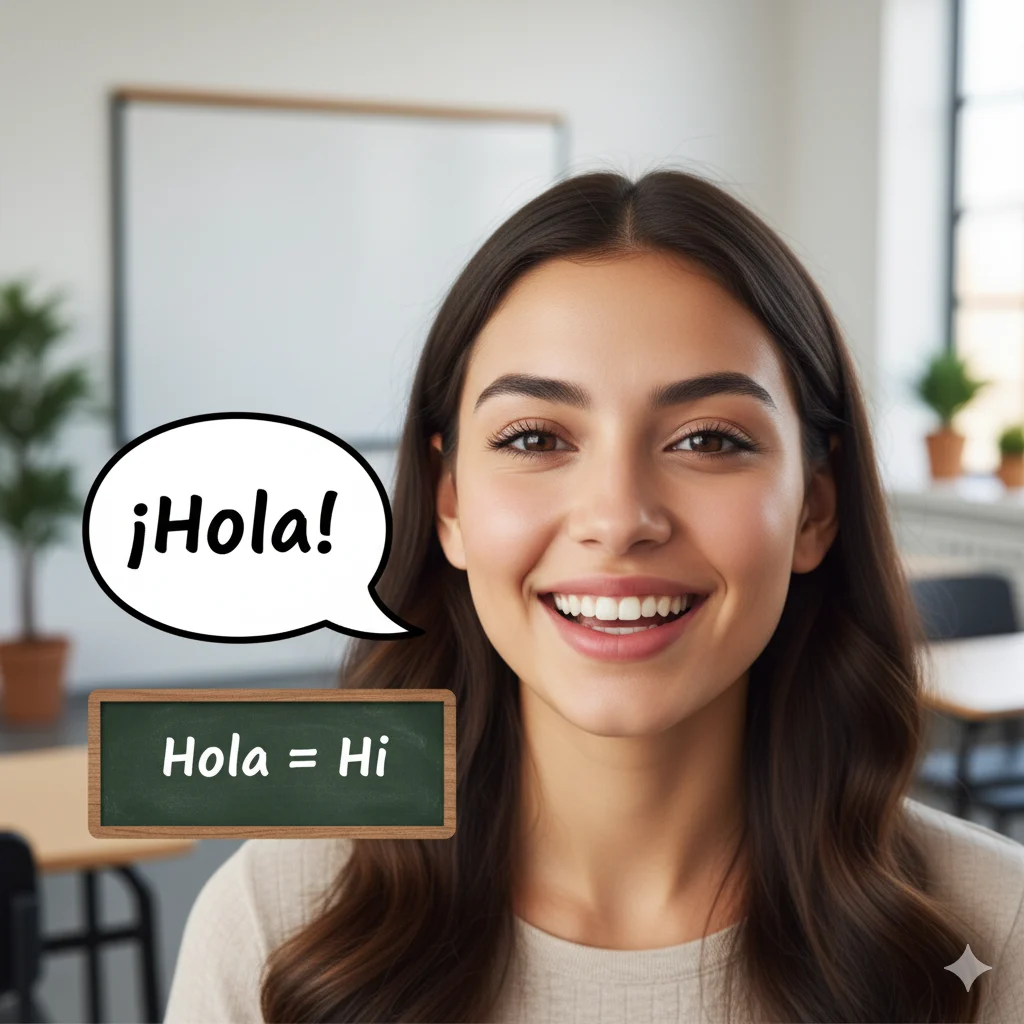
The simplest and most common way to say hi in Spanish is “Hola” (OH-lah). It’s friendly, easy to pronounce, and suitable for almost any situation.
- Usage: “Hola” works for both casual and formal settings.
- Example:
- Casual: “¡Hola, amigo!” → “Hi, friend!”
- Formal: “Hola, señor García.” → “Hello, Mr. García.”
💡 Tip: Unlike English, “hola” is spelled with an h, but the h is silent. So remember to pronounce it “OH-lah,” not “HO-lah.”

Step 2: Add a Time of Day for Politeness
Once you’ve mastered “hola,” you can make your greeting sound more specific by adding a phrase related to the time of day.
- “Buenos días” → “Good morning” (before noon)
- “Buenas tardes” → “Good afternoon” (noon to sunset)
- “Buenas noches” → “Good evening” or “Good night” (after sunset)
These greetings are slightly more formal but show respect and friendliness.
✅ Example Dialogues:
- “¡Hola! Buenos días, ¿cómo estás?” → “Hi! Good morning, how are you?”
- “Buenas tardes, profesor.” → “Good afternoon, professor.”
Step 3: Learn Casual Alternatives for Friends or Texting
When chatting with friends or peers, Spanish speakers often use casual, regional variations of hi or greeting phrases. Here are some common ones:
- “¿Qué tal?” → “What’s up?” / “How’s it going?”
- “¿Cómo va?” → “How’s it going?”
- “¡Ey!” → “Hey!” (informal, similar to English)
- “¿Qué onda?” (used in Mexico) → “What’s up?”
- “¿Qué pasa?” → “What’s happening?”
🎯 Pro Tip: Pairing “hola” with these phrases makes your Spanish sound more natural:
“¡Hola! ¿Qué tal?” → “Hi! How’s it going?”
Step 4: Use Formal Greetings for Professional Situations
If you’re greeting someone older, a teacher, a client, or someone you don’t know well, use a more formal tone. Spanish culture values respect, especially in professional or first-time interactions.
Polite options include:
- “Mucho gusto” → “Nice to meet you”
- “Es un placer conocerle” → “It’s a pleasure to meet you” (very formal)
- “Buenos días, señor/señora” → “Good morning, sir/ma’am”
👔 Example:
“Buenos días, señor Martínez. Mucho gusto.”
These expressions are great for business meetings, emails, or interviews.
Step 5: Add Body Language and Cultural Context
Words are only part of the greeting — body language matters, too.
In most Spanish-speaking countries, greetings are warm and personal.
Here’s what to expect:
- A handshake in professional settings.
- A cheek kiss (besito) between friends or family (usually one kiss in Spain and parts of Latin America, two in some regions).
- A hug between close friends.
🌍 Cultural Tip: In Latin America, even strangers might greet each other with a friendly “hola” or nod when entering a small shop — it’s considered polite!
Step 6: Practice Pronunciation and Tone
Getting pronunciation right makes your greeting sound more genuine.
- “Hola” → “OH-lah” (silent “h”)
- “Buenos días” → “BWEH-nos DEE-ahs”
- “Buenas tardes” → “BWEH-nas TAR-des”
- “Buenas noches” → “BWEH-nas NOH-ches”
🗣️ Practice tip: Repeat these phrases out loud while smiling — tone and friendliness go hand in hand in Spanish!
Step 7: Learn Regional Variations Across Spanish-Speaking Countries
Spanish is spoken in more than 20 countries, and each region adds its own flavor to greetings.
Here are a few examples:
| Country | Common Greeting | English Equivalent |
|---|---|---|
| Spain | “¡Buenas!” | “Hey there!” |
| Mexico | “¿Qué onda?” | “What’s up?” |
| Argentina | “¡Che, hola!” | “Hey, hi!” |
| Colombia | “¡Quiubo!” | “What’s up?” |
| Chile | “¡Hola, po!” | (Casual filler word “po”) |
| Peru | “¡Hola, causa!” | “Hi, buddy!” |
Knowing these variations makes your Spanish more adaptable and culturally rich.
Step 8: Respond Naturally When Someone Says “Hola”
It’s just as important to know how to respond to a greeting as it is to initiate one.
Here are a few natural replies:
- “¡Hola!” → Simple and friendly response.
- “¡Hola! ¿Cómo estás?” → Adds engagement.
- “Muy bien, gracias. ¿Y tú?” → “Very well, thanks. And you?”
- “¡Qué gusto verte!” → “Nice to see you!”
💬 Example Conversation:
A: “¡Hola! ¿Qué tal?”
B: “¡Muy bien, gracias! ¿Y tú?”
Visual Guide: See How It’s Done
Here’s a quick visual summary of how to say hi in Spanish and when to use each phrase:
| Type | Phrase | When to Use |
|---|---|---|
| Basic | Hola | Any time, any place |
| Formal | Buenos días / Buenas tardes / Buenas noches | Respectful situations |
| Friendly | ¿Qué tal? / ¿Qué pasa? / Ey! | With friends or peers |
| Professional | Mucho gusto / Es un placer conocerle | Meetings, introductions |
| Regional | ¿Qué onda? / ¡Buenas! / Quiubo | Depends on country |
🎥 Optional visual: A short clip demonstrating pronunciation and regional greetings (ideal for embedding on a learning page).
Pro Tips to Sound More Natural in Spanish Greetings
- ✅ Match your tone to the situation — formal for strangers, casual for friends.
- 😄 Smile and make eye contact — friendliness is key in Hispanic cultures.
- 🕐 Consider timing — avoid saying “buenos días” late in the afternoon.
- 💬 Pair greetings with a follow-up question: “¿Cómo estás?” or “¿Qué tal?”
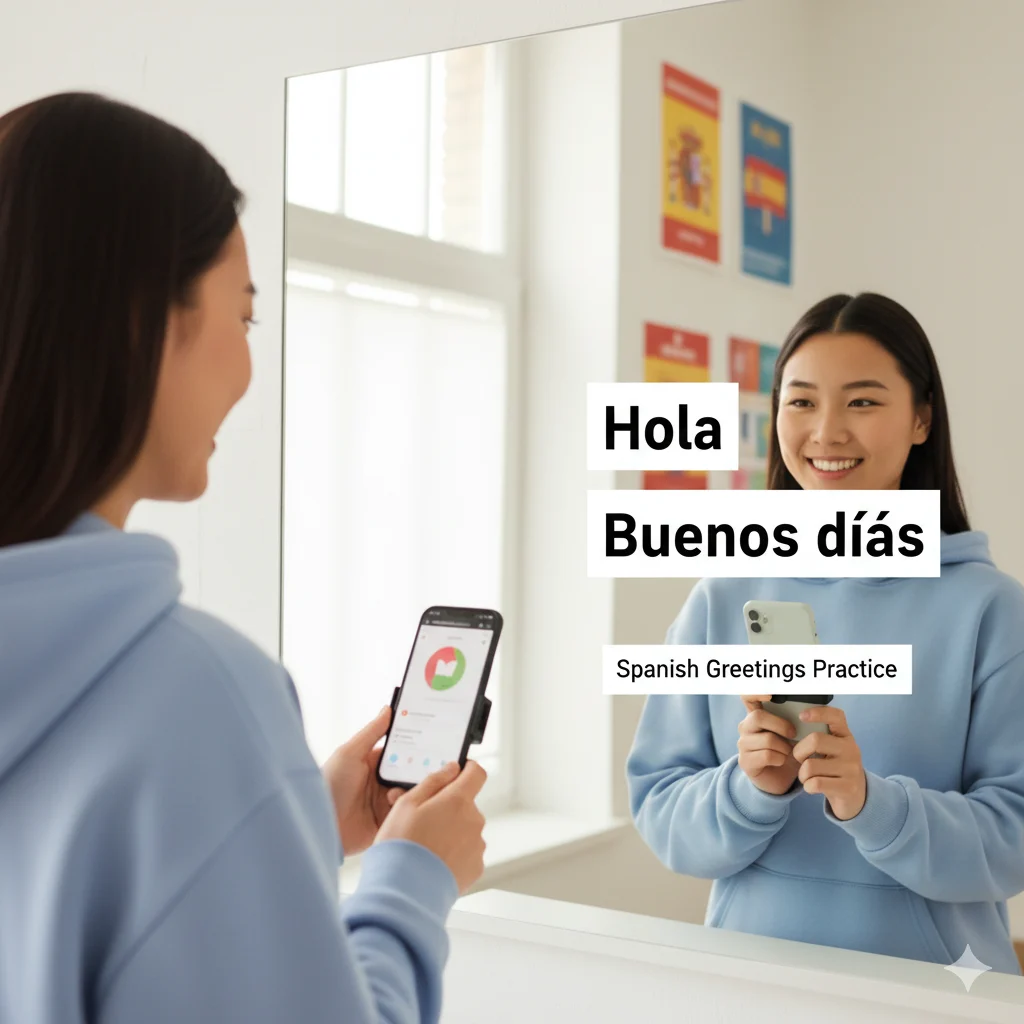
- 🗣️ Practice daily — greet your Spanish-learning app, teacher, or even yourself in the mirror!
Troubleshooting: When Things Don’t Work as Expected
Issue 1: You’re unsure which greeting fits the situation.
Fix: When in doubt, use “Hola.” It’s universally accepted and always polite.
Issue 2: You mispronounce words or sound nervous.
Fix: Slow down. Listen to native speakers on YouTube or language apps like Duolingo or Babbel to improve pronunciation.
Issue 3: You used the wrong time-of-day greeting.
Fix: No worries — native speakers appreciate effort! Just smile and correct yourself next time.
Issue 4: You’re texting and want to sound natural.
Fix: Use casual phrases like “¡Hola! ¿Qué tal?” or “Ey, ¿cómo va?” instead of overly formal lines.
Issue 5: You want to be polite but not stiff.
Fix: Combine friendly and formal phrases, such as “Hola, buenos días,” to sound warm yet respectful.
Conclusion
Now you know exactly how to say hi in Spanish — from the universal “hola” to formal greetings like “buenos días” and casual ones like “¿qué tal?”. Whether you’re meeting someone in Spain, chatting online with friends from Mexico, or traveling through South America, these simple greetings will help you start conversations with confidence and warmth.
Practice them daily, listen to native speakers, and soon, saying “hola” will feel as natural as saying “hi!”
FAQs About Saying Hi in Spanish
1. Is “Hola” formal or informal?
“Hola” is neutral — it works in both formal and informal situations. If you want to sound more formal, add “buenos días” or “mucho gusto.”
2. How do you greet someone in Spanish over text?
Texting is usually casual. You can say “¡Hola!” or “¿Qué tal?” Add emojis to make it friendly, like “¡Hola! 😊”.
3. How do I pronounce “Hola” correctly?
Say “OH-lah.” The “h” is silent, and the stress is on the first syllable.
4. Are there regional differences in greetings?
Yes! For example, Mexicans say “¿Qué onda?” while Colombians might say “Quiubo.” These variations make Spanish rich and fun to learn.
5. Can I just say “Buenas” instead of “Buenos días”?
Absolutely! “¡Buenas!” is a common, informal shortcut for any time of day — friendly and widely used in Spain and Latin America.
6. What’s the difference between “Hola” and “Buenas”?
“Hola” simply means “hi,” while “Buenas” implies a time-based greeting like “good day” or “good evening,” depending on context.
✍️ Written by:
Maria Torres, bilingual language coach with 10+ years of experience teaching conversational Spanish and cultural communication to travelers and professionals worldwide.