
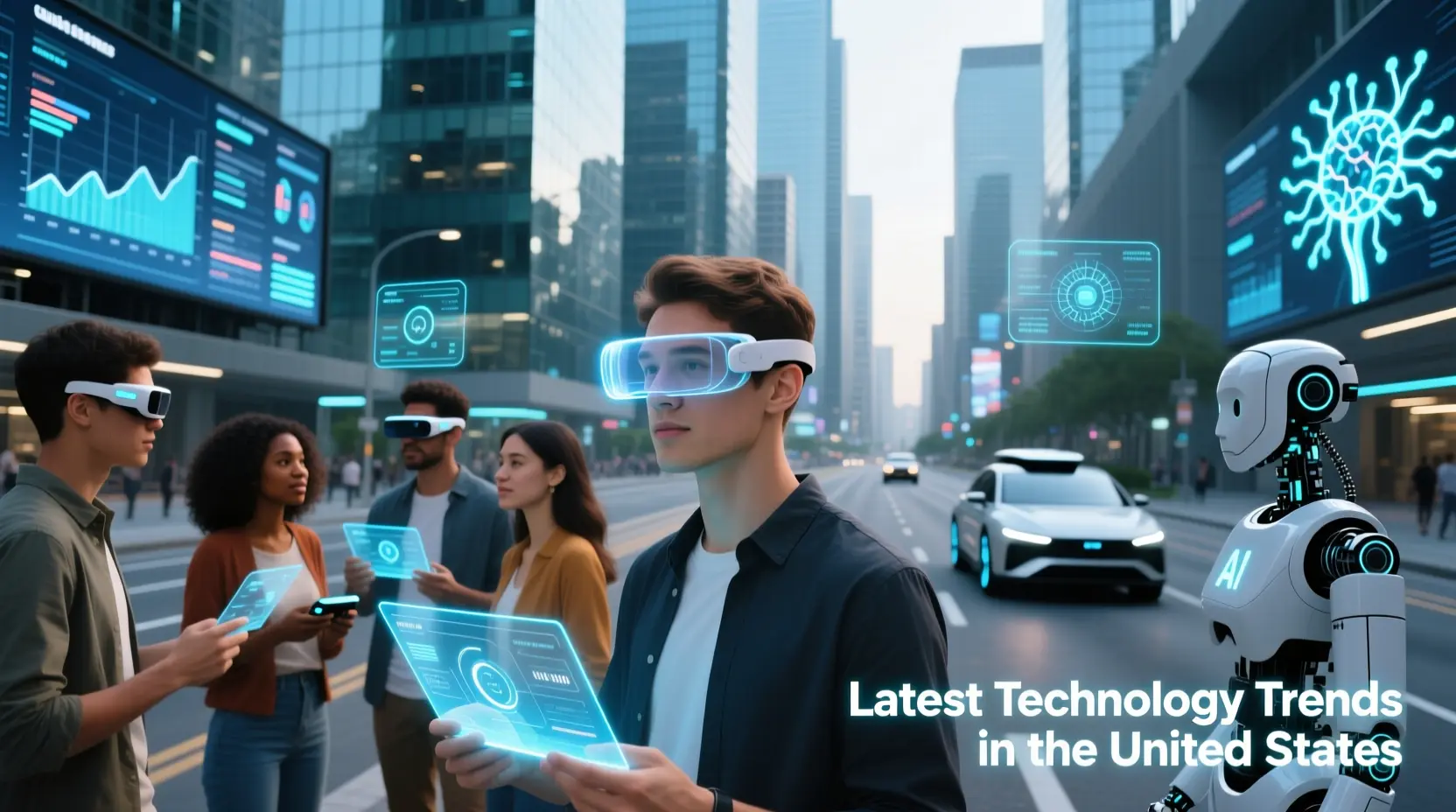

Technology is changing the way we live, work, and communicate. Every year, new innovations appear that make life easier and more connected. In the United States, technology is growing fast.
People are using smart devices, artificial intelligence, and new apps in daily life. Businesses are also adopting new tools to improve services and work more efficiently.
Understanding the latest technology trends can help us stay updated and ready for the future. In this article, we will explore some of the newest technology trends shaping the U.S. today.
Artificial Intelligence (AI)
Artificial intelligence is one of the most talked-about technologies today. AI helps machines think and learn like humans. In the U.S., companies are using AI to improve customer service, analyze data, and automate work. For example, AI chatbots answer questions quickly, and AI software can predict market trends. Even everyday tools like voice assistants, such as Siri and Alexa, use AI. AI is becoming smarter and is expected to play a bigger role in healthcare, education, and business in the coming years.
5G Technology
5G is the new generation of mobile internet. It is faster than 4G and allows devices to connect quickly. In the United States, 5G networks are growing in many cities. This technology helps with streaming videos, online gaming, and smart devices at home. It also supports technologies like self-driving cars and virtual reality. 5G makes communication smoother and more reliable, which helps businesses and individuals work faster and more efficiently.
Smart Homes and IoT
The Internet of Things (IoT) connects devices through the internet. In the U.S., smart home devices are very popular. People use smart speakers, lights, thermostats, and security cameras. These devices make life more comfortable and secure. For example, smart thermostats save energy by adjusting the temperature automatically. IoT is also used in businesses to track inventory, monitor machines, and improve efficiency. Smart devices are becoming part of daily life and are expected to grow even more.
Electric Vehicles (EVs) and Green Technology
Electric vehicles are becoming common in the United States. Companies like Tesla, Ford, and GM are producing more electric cars. EVs help reduce pollution and save fuel costs. In addition to cars, green technology includes solar panels, wind energy, and energy-efficient products. Many Americans are adopting green solutions to protect the environment. Governments and businesses are also supporting clean energy projects. Technology and sustainability are working together to create a cleaner future.
Virtual Reality (VR) and Augmented Reality (AR)
Virtual reality and augmented reality are changing how we learn, play, and shop. VR creates a completely digital world, while AR adds digital images to real life. In the U.S., VR is used in gaming, training, and education. AR is used in shopping apps, allowing customers to try products virtually. For example, you can see how furniture looks in your home before buying it. VR and AR are growing fast and will bring new experiences for entertainment, work, and learning.
Cybersecurity
As technology grows, online safety is becoming more important. Cybersecurity protects computers, networks, and data from hackers. In the United States, businesses and individuals are investing in cybersecurity tools. Simple practices like strong passwords, two-step verification, and software updates help protect information. Companies also use advanced software to detect threats. With more devices connected to the internet, cybersecurity is a top priority for everyone.
Cloud Computing
Cloud computing allows people and businesses to store data and use software online. In the U.S., cloud services are used by schools, businesses, and government offices. Cloud technology makes it easier to work from anywhere. It also reduces costs because companies do not need large servers. Popular cloud services include Google Drive, Microsoft OneDrive, and Amazon Web Services. Cloud computing is a key trend that makes work more flexible and efficient.
Robotics and Automation
Robots are no longer only in factories. In the United States, robots are used in healthcare, warehouses, and even homes. Robots can help perform tasks faster and more accurately than humans. Automation also helps businesses save time and reduce errors. For example, robots can sort packages in warehouses or assist in surgeries. This trend is growing, and robots are expected to be part of more industries in the near future.
Wearable Technology
Wearable technology includes devices like smartwatches, fitness trackers, and health monitors. In the U.S., people use wearable devices to track steps, heart rate, sleep, and more. Wearables help people stay healthy and monitor their fitness goals. Some wearables also provide notifications, calls, and reminders. As technology improves, wearable devices are becoming more advanced and useful in daily life.
E-commerce and Mobile Payments
Online shopping and mobile payments are growing fast in the United States. People use apps and websites to buy clothes, groceries, and electronics. Mobile payments, like Apple Pay, Google Pay, and PayPal, make transactions easy and fast. Technology has changed shopping habits, making it possible to buy and pay without cash. E-commerce continues to grow, and new tools make online shopping more convenient and secure.
Conclusion
Technology is changing quickly in the United States. From artificial intelligence and 5G to electric vehicles and wearable devices, new tools are making life easier and more connected.
Businesses and individuals are adopting these technologies to save time, improve safety, and enjoy better experiences.
Keeping up with the latest trends helps people stay informed and ready for the future. Technology is not just about gadgets—it is shaping the way we live, work, and communicate every day.