
If you’ve ever scrolled through TikTok, listened to a Middle Eastern song, or seen someone say “Hey Habibi!”, you’ve probably wondered — what does Habibi actually mean?
This beautiful word has gone global, popping up in pop culture, memes, love songs, and even casual slang across languages. But while it sounds fun and affectionate, Habibi carries deep emotional and cultural meaning that goes beyond just “babe” or “my love.”
Let’s break down what Habibi really means, how to use it correctly, and why it’s become such a universal term of affection.
❤️ Definition & Meaning of “Habibi”
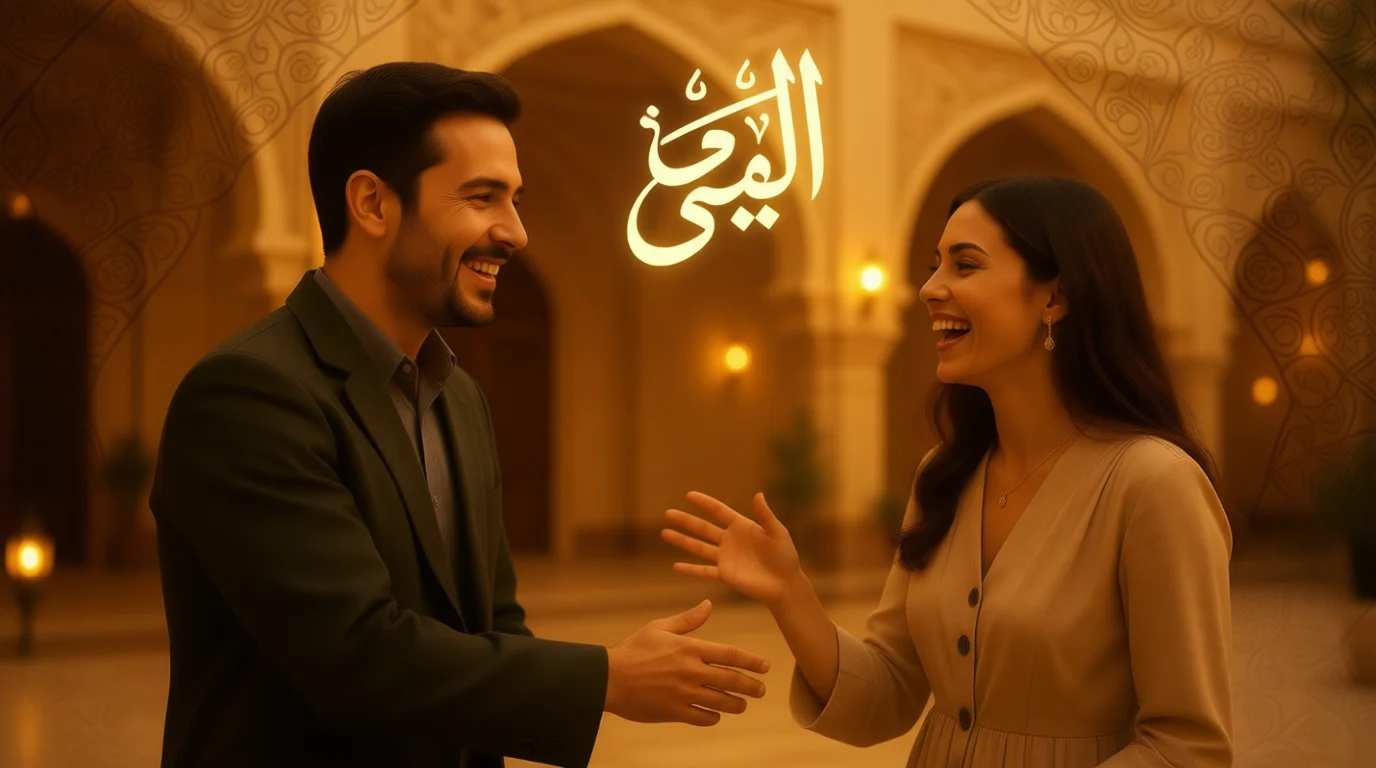
Habibi (حبيبي) is an Arabic term of endearment that literally means “my love,” “my dear,” or “my darling.”
- It comes from the Arabic root word ḥubb (حب), which means “love.”
- The suffix -i means “my,” making it personal and affectionate.
So, Habibi literally translates to “my beloved.”
🗣 Example:
Amina: “Good morning, Habibi.”
Omar: “Morning, Habibti! How was your night?”
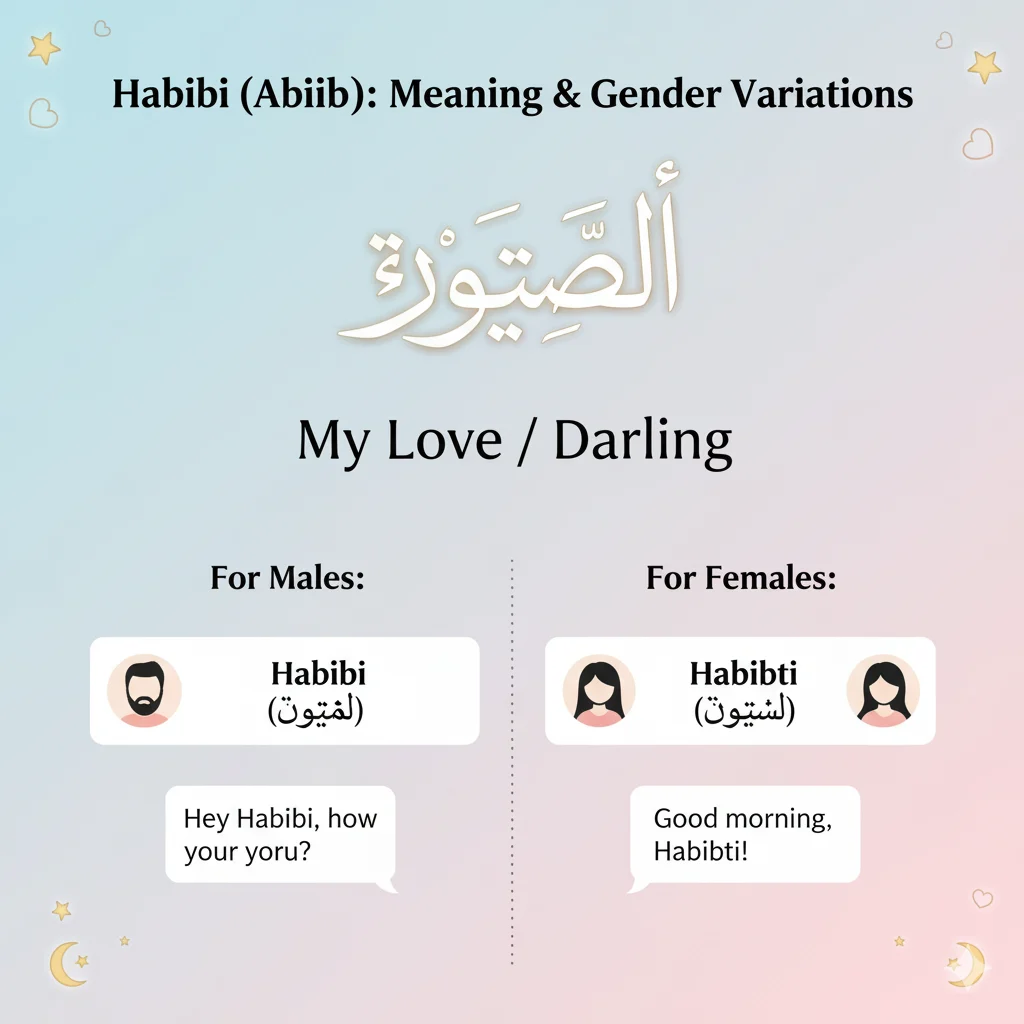
You might’ve noticed Habibi and Habibti — the feminine version.
- Habibi → used for males.
- Habibti → used for females.
Even though originally gendered, many non-native speakers use Habibi casually with everyone as a sweet or friendly word.
🕌 Background & Cultural Origins
The word Habibi has deep roots in Arab culture, where language and affection are tightly connected.
For centuries, Arabic poetry, love songs, and daily greetings have used “Habibi” to express warmth, friendship, and romantic affection.
It’s used in:
- 💌 Romantic relationships — “I miss you, Habibi.”
- 👨👩👧 Family — parents lovingly call their kids “Habibi.”
- 🤝 Friendship — men and women both use it casually to mean “bro” or “dear.”
The phrase became internationally recognized through music and film, especially after songs like:
- 🎶 “Habibi Ya Nour El Ain” by Amr Diab (a massive Arabic pop hit)
- 🎤 “Habibi Come to Dubai” (used in memes and social media trends)
Today, Habibi has crossed cultures — used by people from Europe to the U.S., Asia, and even TikTok influencers who love the sound and vibe of the word.
💬 Usage in Texting, Slang & Pop Culture
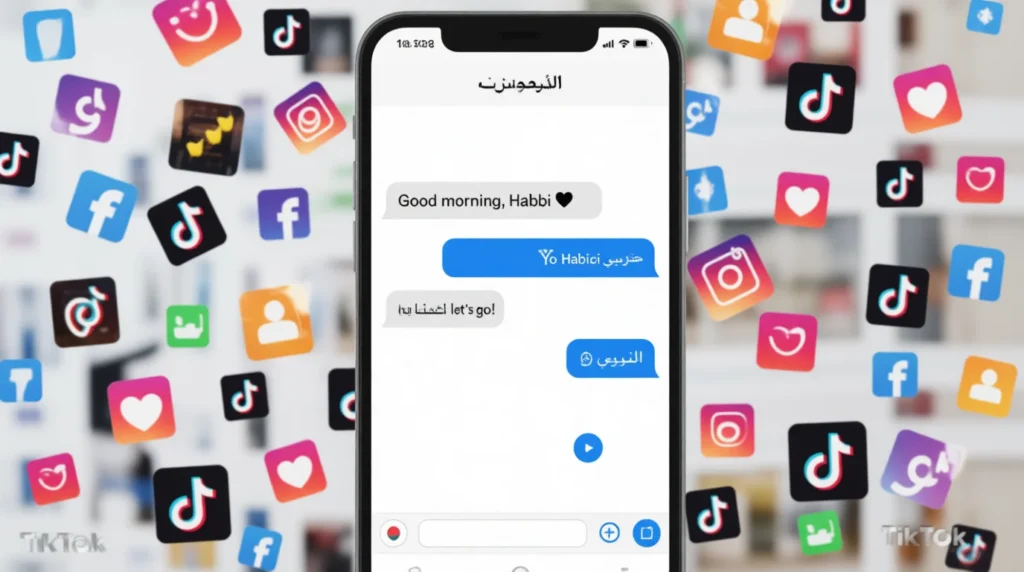
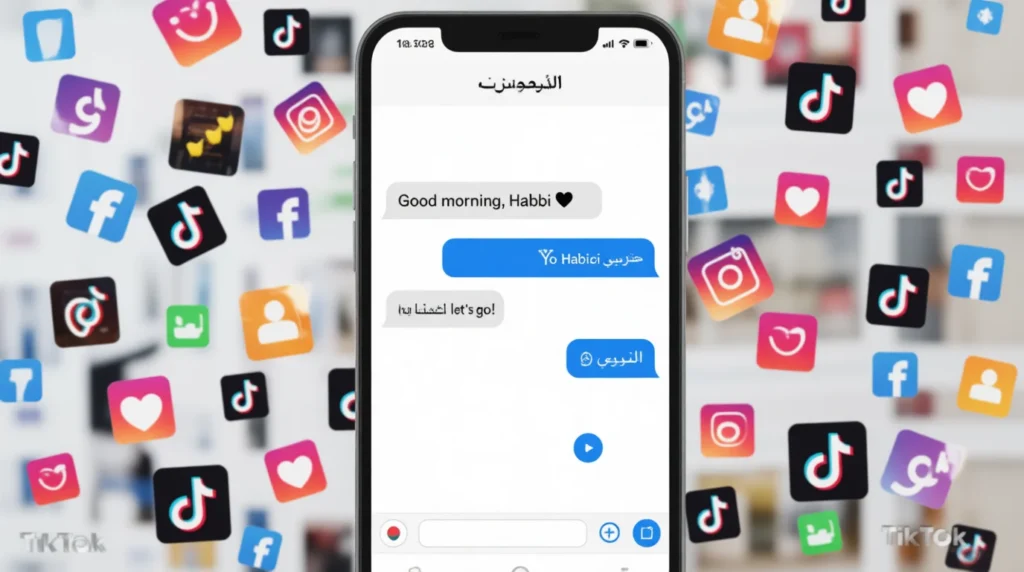
Thanks to social media, Habibi has evolved from just a term of endearment to a trendy internet word that blends affection with humor.
In Texting:
- “Goodnight, Habibi 💕” → romantic
- “Yo Habibi, let’s go gym 💪” → friendly, casual
- “Aww, thanks Habibi 😍” → playful and flirty
On TikTok:
You’ll see memes and skits like:
“When your Arab boyfriend calls you Habibi for the first time 😭💞”
In Gaming or Group Chats:
Gamers often joke around using it like “bro” or “mate.”
“GG, Habibi! That was a clean win!”
It’s versatile — sweet, friendly, or just a vibe, depending on tone and context.
🤔 Common Misconceptions About “Habibi”
Even though Habibi sounds romantic, it doesn’t always mean “lover.” Context matters!
| Misconception | Reality |
|---|---|
| “Habibi” always means “boyfriend/girlfriend.” | Nope! It can mean friend, child, or dear one too. |
| Only Arabs can use “Habibi.” | Anyone can say it respectfully — it’s a word of love. |
| Saying “Habibi” is always flirtatious. | Not true — tone and relationship define intent. |
So, while it can sound flirty in songs or romantic contexts, it’s also completely normal for friends and family to use it platonically.
🌍 Regional & Cultural Variations
Arabic is spoken across 22+ countries, and “Habibi” slightly changes in pronunciation and use across regions:
| Region | Word Form | Meaning or Tone |
|---|---|---|
| Gulf countries | “Habibi” | Common between friends |
| Egypt | “Habibi” | Warm, affectionate, used in songs |
| Lebanon | “Habibi / Habibeh” | Romantic, soft tone |
| North Africa | “Habibi / Habibti” | Everyday casual word |
| Western countries | “Habibi” | Adopted as trendy slang |
So, depending on where you hear it, Habibi could mean anything from “my love” to “hey dude.”
💞 Similar Words & Alternatives
If you like the meaning of Habibi, here are a few similar terms you might hear in Arabic or other cultures:
| Language | Word | Meaning |
|---|---|---|
| Arabic | Habibti | My dear (feminine) |
| Arabic | Hayati | My life |
| Turkish | Canım | My soul / sweetheart |
| Hindi/Urdu | Jaan | My life |
| English | Babe / Sweetheart | Similar romantic tone |
📱 How to Respond When Someone Calls You “Habibi”
Depending on the situation, your response can vary:
💘 Romantic
“Aww, you’re my Habibi too 😍”
😎 Friendly
“Haha thanks Habibi, you’re the real one!”
🧊 Professional / Polite
“Thank you — that’s sweet of you to say.”
🚫 Not Interested
“Haha, let’s keep it friendly, please 😅”
Just remember — tone matters. It’s always okay to set your comfort boundaries.
💬 Comparison with Similar Expressions
| Phrase | Origin | Usage Context |
|---|---|---|
| Habibi | Arabic | Love, friendship, or affection |
| Babe | English | Romantic, casual |
| Jaan | Urdu/Hindi | Romantic or affectionate |
| Boo | African-American English | Romantic slang |
| Amor | Spanish | Love / sweetheart |
❤️ “Habibi” in Music, Memes, and Internet Culture
The word Habibi exploded in pop culture thanks to music, memes, and the global reach of Arabic pop.
Music:
- “Habibi Ya Nour El Ain” — classic Arabic pop hit
- “Habibi” by Ricky Rich & ARAM Mafia — viral TikTok song
- “Habibi Come to Dubai” — meme anthem
Memes:
It’s now used jokingly online:
“When he says good morning texts every day, he’s officially your Habibi 😂”
The word’s mix of romantic + funny + exotic makes it stick across languages.
🧠 Hidden or Misunderstood Meanings
Some non-Arabic speakers use Habibi without realizing it’s a deeply emotional word.
In Arab culture, it’s not just cute — it’s intimate and full of warmth. Using it too casually can sometimes sound insincere if you don’t know the person well.
So, while it’s not offensive, it’s best to use Habibi with care, especially when talking to native speakers.
💼 Is “Habibi” Suitable for Professional Use?
Generally — no.
Habibi is too affectionate for work emails, meetings, or formal conversations.
✅ Professional Alternatives:
- “Dear [Name]”
- “My friend”
- “Thank you kindly”
Use Habibi only when it fits your relationship with the person — not in professional settings.
❓ FAQs
Q1: What language is “Habibi” from?
It’s from Arabic, one of the world’s oldest and most poetic languages.
Q2: Is “Habibi” romantic or friendly?
Both — it depends on who says it and how.
Q3: Can girls say “Habibi”?
Yes, girls say Habibi to men and Habibti to women.
Q4: Is “Habibi” used in Islam?
It’s cultural, not religious — though used by Muslims and non-Muslims alike.
Q5: Is it okay for non-Arabs to use “Habibi”?
Yes, as long as it’s respectful and not mocking.
🌟 Conclusion
Habibi is more than a word — it’s a feeling.
From love songs to everyday chats, it carries warmth, connection, and care. Whether it’s romantic or friendly, the power of Habibi lies in how it bridges hearts across cultures and languages.
So next time someone calls you Habibi, smile — it means you’ve made a special place in their heart. 💖